5 min
5 min 
Fake Trustpilot reviews undermine consumer trust and harm legitimate businesses every day. Many businesses don’t notice the early signs until the damage is already visible.
Detecting and eliminating fake reviews is now easier because they typically exhibit consistent patterns when analyzed. Knowing what to look for enables one to identify the patterns.
This article will enable you to know how to identify fake reviews and file reports correctly, in addition to preventing the loss of your business’s reputation.
Why fake Trustpilot reviews are a growing problem
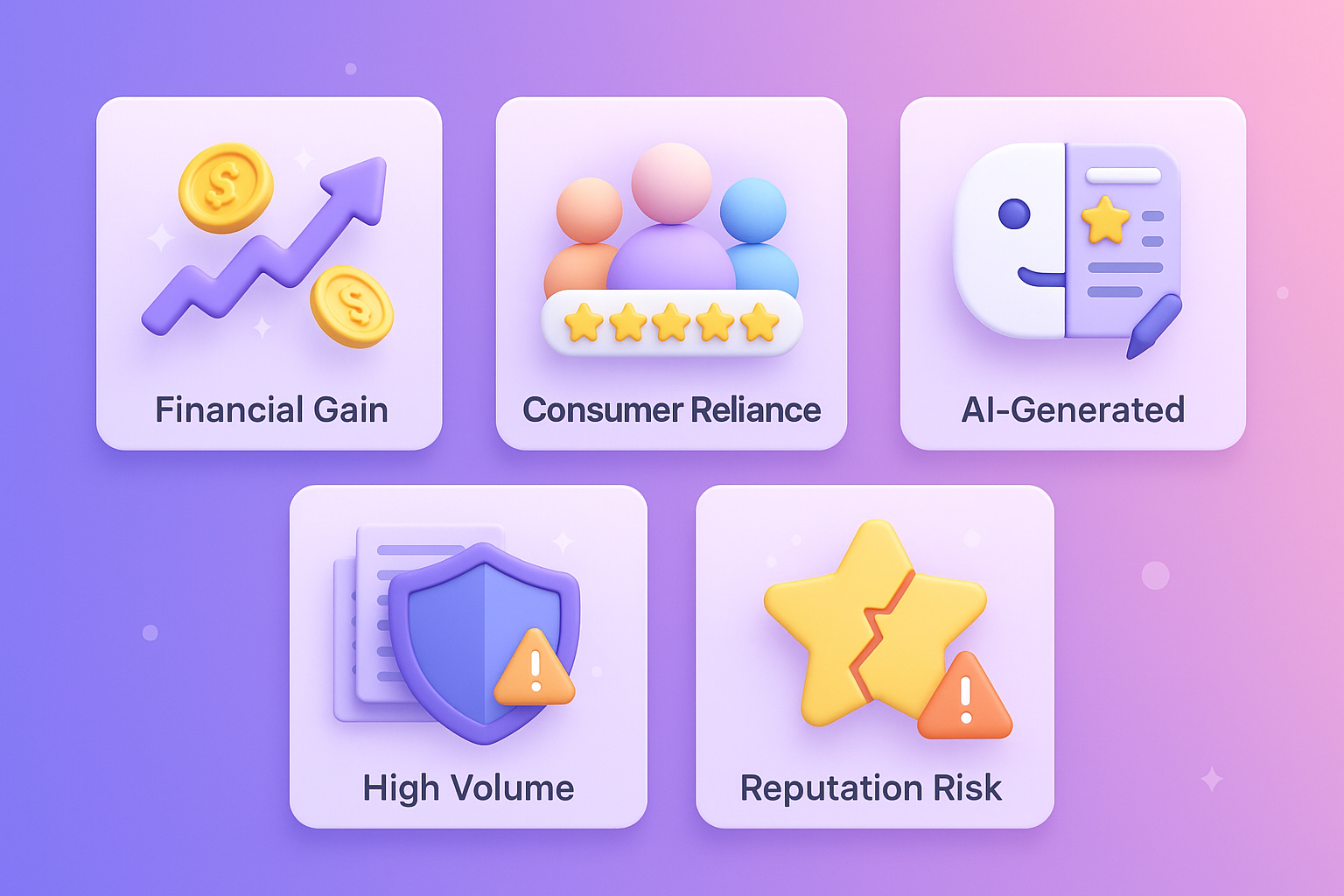
Fake reviews create unfair advantages and distort customer trust. The problem is scaling rapidly as AI tools make it easier for bad actors to generate hundreds of fake reviews in minutes.
Key Reasons for the Growing Problem
High Financial Incentive: Businesses aim to increase sales and rankings by posting fake positive reviews and harming competitors with fake negative reviews.
Significant Consumer Reliance: Most consumers consult reviews before making a purchase and trust review sites like Trustpilot, making it easy for fake reviews to influence purchasing decisions.
Ease of Generation and Difficulty of Detection: Trustpilot is an open platform, so anyone can leave a review on it without providing proof of purchase. AI tools now make fake reviews sound authentic and unique, making them much harder to spot.
Platform Business Model and Moderation Challenges: Some users worry that paying businesses may have negative reviews removed more easily, undermining trust, even though Trustpilot denies bias. The platform also handles millions of reviews each month, so even with AI checks, many fake reviews still appear.
Legal and Reputational Damage: Fake reviews are causing real harm by eroding trust, reducing revenue, and weakening brand image. This pressure to clean up their profiles quickly creates leeway for misuse and exploitation of these businesses.



All your reviews in one place
Collect reviews, manage every response, and display them where they matter most.
How Trustpilot detects fake reviews

Trustpilot uses a combination of advanced automated detection technology, human moderators, and community flagging to identify and remove fake reviews before they go live.
Automated detection technology (AI & Machine Learning)
Trustpilot’s primary defense is its sophisticated AI and machine learning models, which screen every incoming review. This technology analyzes hundreds of data points to spot suspicious patterns:
- Behavioral Patterns: It flags unusual actions such as rapid posting reviews, a lot of accounts from one user, or sudden review spikes all for the same business.
- Technical Data: It monitors IP addresses, devices, and locations. Reviews coming from the same source across different businesses are tagged ‘risky’.
- Content Analysis: It checks the wording for repetition of phrases, lines that seem too general, and grammatical marks indicative of content farms or automated writing.
- Verification Status: Checks if the review links to a real transaction. Verified feedback is more trusted; unverified feedback receives additional checks.
In 2025, approximately 90% of fake reviews were caught automatically by these detection models.
Human moderation and investigations
A specialized Content Integrity Team of human moderators reviews complex cases that were flagged by the AI or also reported by the community. Their responsibilities include:
- Evaluate flagged reviews and any evidence provided by either reviewers or businesses.
- Investigating businesses or individuals suspected of systematic buying or selling of fake reviews.
- Taking legal action against bad actors and review sellers.
Community and business flagging
Trustpilot’s open platform model means its community plays a vital role in moderation.
- Anyone can flag a review if they believe it violates the guidelines using the flagging or whistleblower functions on the platform.
- Businesses can also flag reviews they suspect are not genuine, for example, if the reviewer’s name is not in their customer database.
How to spot fake Trustpilot reviews
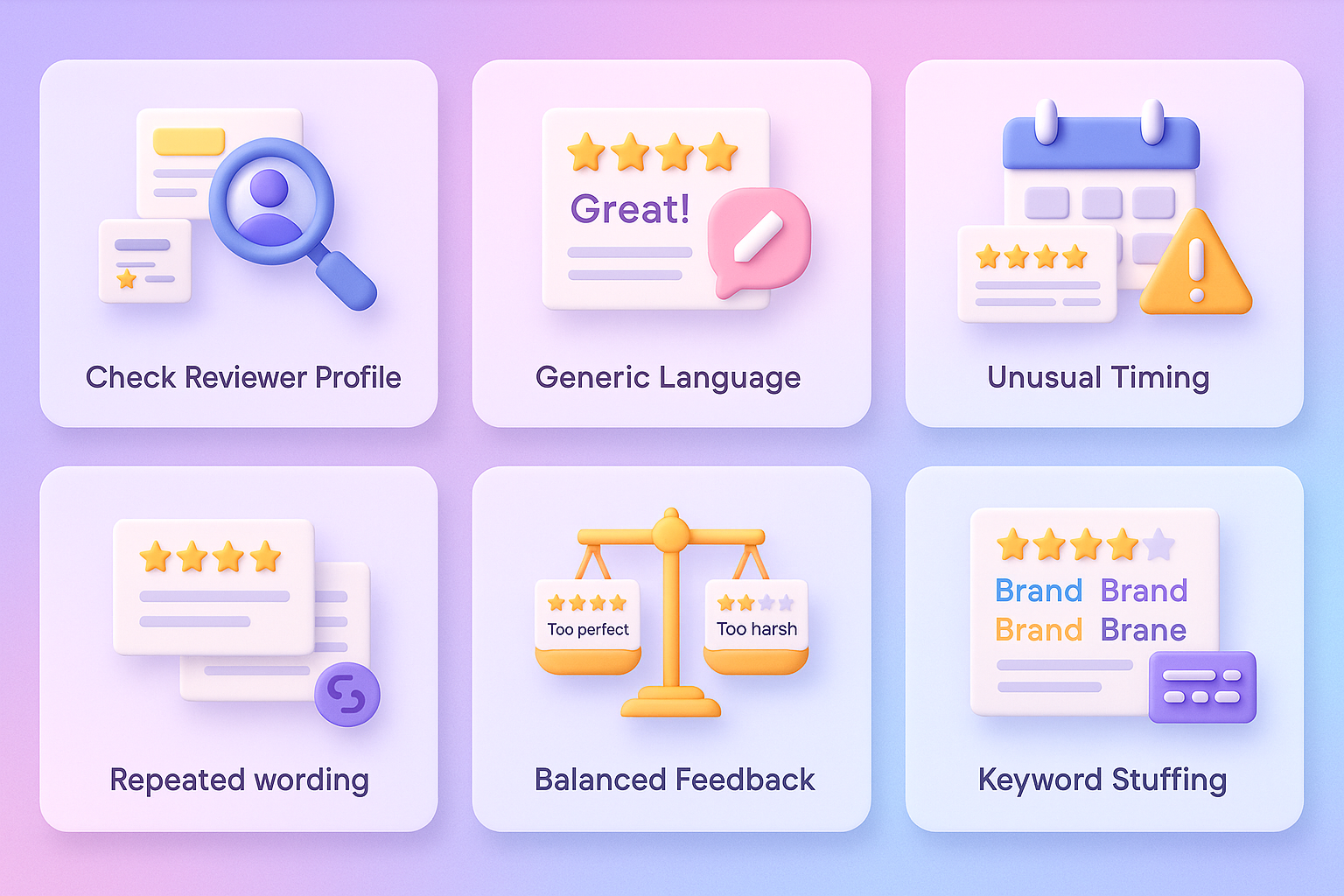
You can spot fake Trustpilot reviews by looking for a combination of red flags in the reviewer’s profile, the content of the review, and the overall timing and pattern of reviews for that business.
Check the reviewer profile
If the reviewer has posted only one review or has reviewed many unrelated businesses in a short time, treat that as a warning sign.
Genuine users typically review multiple, unrelated businesses over time.
Watch the language and detail
Fake reviews usually sound generic and use the same clichés, such as “Great service” or “Best product ever,” without providing any real details on why.
Look at timing and volume
A sudden flood of reviews, especially many overly positive ones, within a short period is suspect. That pattern often signals manipulation.
A review dated before a product or service was actually available is a clear indicator of fraud.
Search for repeated wording or tone
Reviews that sound like they’re written by robots, all super positive (“Best experience of my life!!!”) or all super negative without any nuance, might be fake.
If you see 10 reviews saying the same thing, they might have come from some bot farm instead of real customers.
Expect balanced feedback
Genuine reviews typically mention both the good and the bad. If reviews are all extremely positive or all extremely negative without nuance, that may be a red flag.
Be cautious of keyword stuffing or odd phrasing
Reviews that repeat the business or product name a million times or use really awkward grammar might be written by a robot trying to game the system.
How to remove fake reviews on Trustpilot
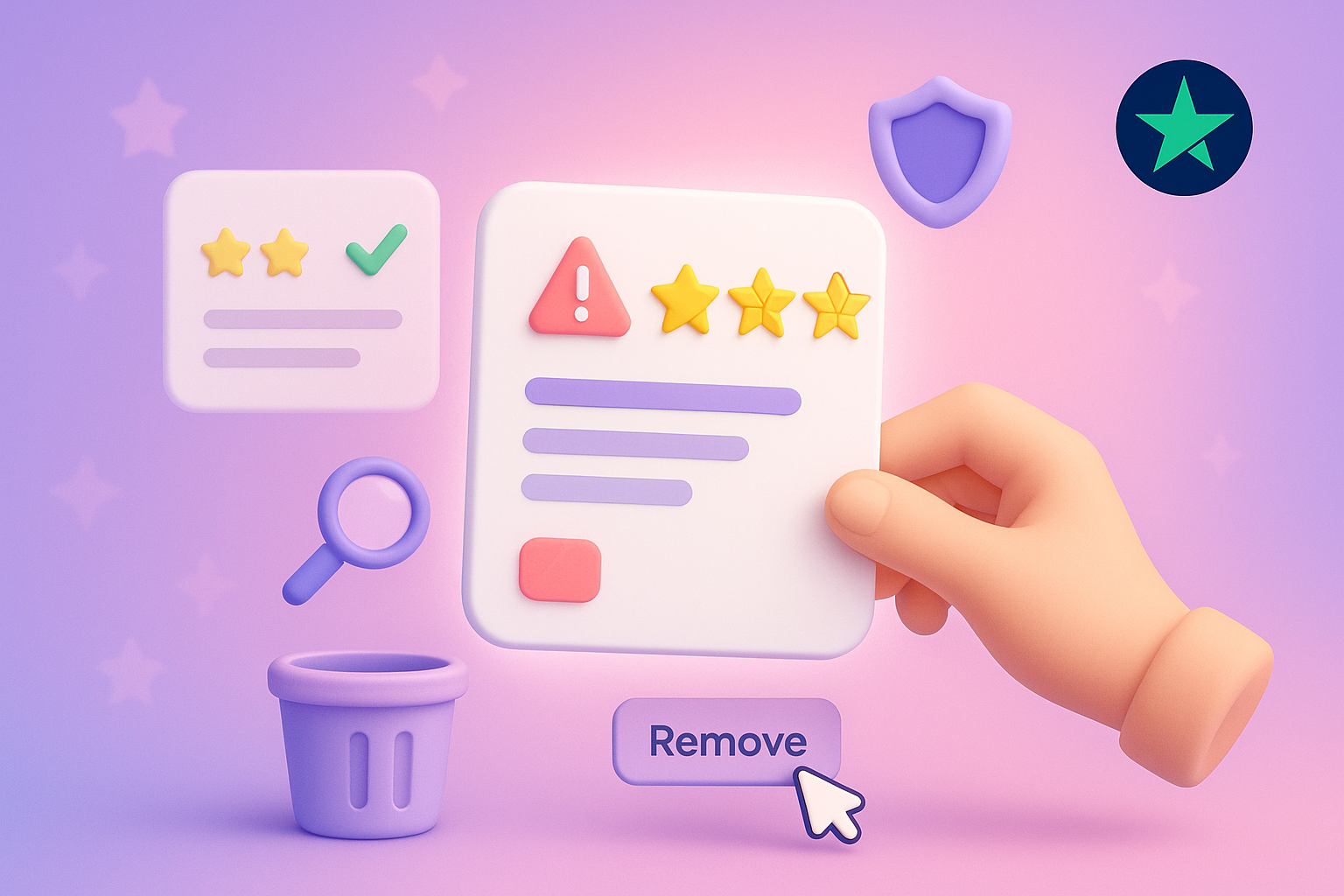
Removing fake reviews requires following Trustpilot’s official reporting process. You cannot delete reviews simply because you dislike them; removal occurs only when reviews violate specific guidelines.
Step 1: Claim your business profile
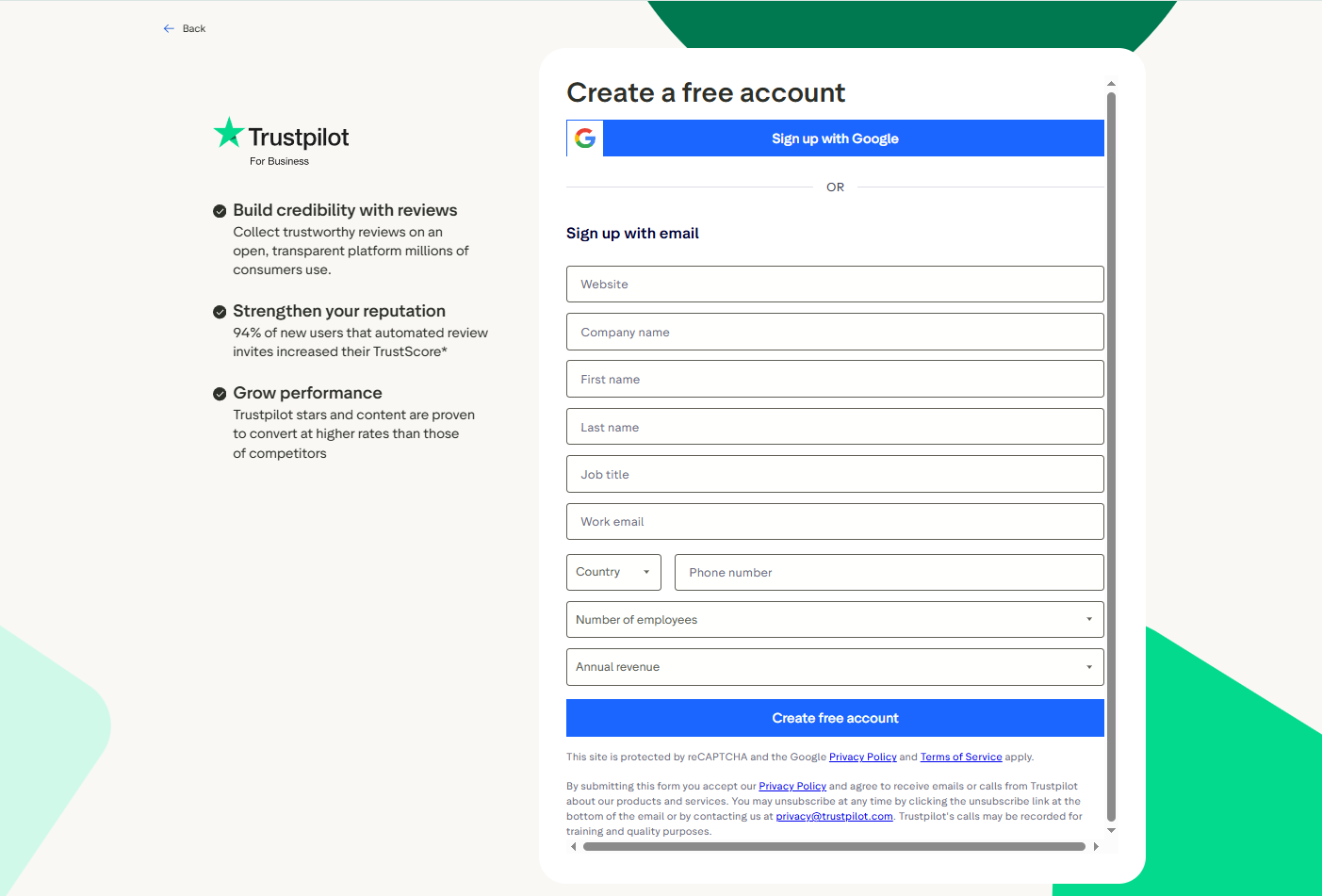
Log in to your Trustpilot Business account and claim your profile if you haven’t already. Without a business account, you’re really limited in what you can do to manage your reviews.
Step 2: Flag the review
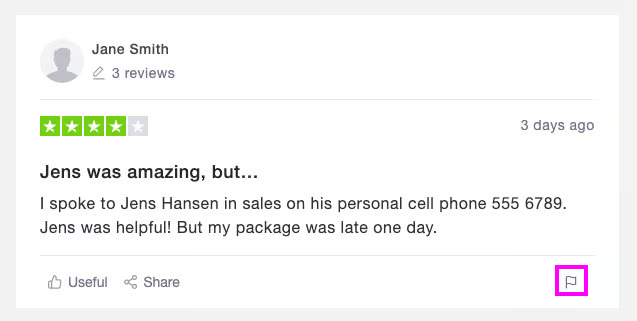
Navigate to Reviews: Open the Reviews section to view all customer reviews for your business. Find the specific review you believe is fake. Select the flag icon located at the bottom of the review.
Choose the reason: A pop-up screen will guide you through the flagging process. Select the most appropriate reason why the review violates.
The common reason for a fake review is “Not based on a genuine experience”.
Step 3: Provide evidence
If prompted, attach any supporting evidence that the review is not genuine.
Example:
- The reviewer’s name is not in your customer database
- A screenshot of the same review posted on another platform
- Screenshots showing multiple fake accounts.
This significantly increases your chances of a successful removal.
Step 4: Submit the request
Submit your flagging request to Trustpilot’s content integrity team. The review is still live during the investigation period, and Trustpilot’s team will assess it, which can take a few days to a couple of weeks.
Step 5: Monitor the status
The review remains online during the investigation, but you can monitor its status under the “Reporting Activity” section of your account.
Trustpilot will contact you with the outcome, which usually takes a few days to a couple of weeks.
How businesses can reduce the impact of fake reviews
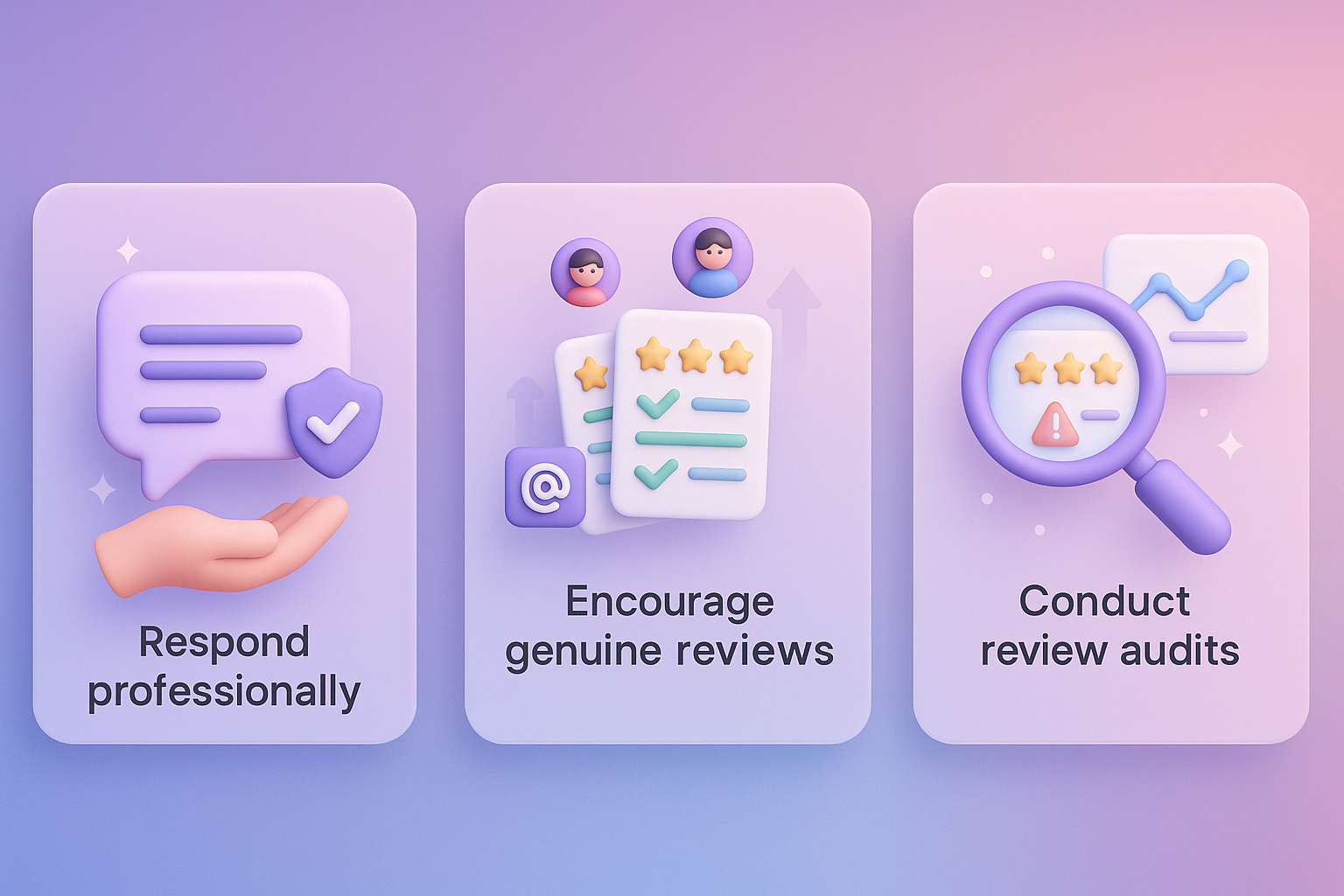
You can’t prevent every fake review, but you can minimize their impact and build a review profile that’s resilient against manipulation.
Respond to suspicious reviews professionally
Never ignore reviews, even if they seem suspicious. Your response shows potential customers how you handle criticism and demonstrates professionalism.
- Be Prompt and Polite: Respond quickly and maintain a professional, calm, and helpful tone, even if you are frustrated. This reflects positively on your business.
- Acknowledge and Investigate: Politely state that you are looking into the matter. For a likely fake review, you can use phrasing that subtly questions the authenticity without being accusatory:
“Thank you for your feedback. We take all customer concerns seriously. We have searched our database and cannot find a record of your name associated with a recent purchase. Could you please provide us with an order number or more details about your visit so we can look into this further?”
- Steer Off-Platform: Offer to resolve the issue privately (e.g., “Please email us at [email address] so we can make this right”). This prevents a back-and-forth public dispute with a likely non-customer.
- Mitigate the Damage: A well-crafted response can often negate the impact of a fake review. Your response provides context to real customers reading the reviews.
Encourage genuine reviews from real customers
Flooding your profile with a high volume of honest, positive reviews is the best long-term defense. It effectively “buries” fake or negative reviews, improving your overall star rating.
- Automate Review Requests: Use your Trustpilot business account to automatically request customer feedback on their experience after receiving good service.
- Make it Easy: Provide a direct link to your Trustpilot profile in your emails, receipts, or on your website.
- Ask at the Right Time: Ask happy customers for reviews while their experience is still fresh.
- Never Incentivize: It is against Trustpilot’s guidelines to offer payment, discounts, gifts, or any other incentive in exchange for a review. Only ask for honest feedback.
Conduct regular review audits
Proactive monitoring helps you quickly identify and address fraudulent activity before it significantly impacts your reputation.
- Set up Alerts: Monitor your Trustpilot profile regularly (ideally daily) or enable email alerts for new reviews.
- Analyze Patterns: Look for red flags in fake reviews, such as a spate of reviews coming within a very short period of time, generic content, reviewers who review only your business or your competitors, and reviewers with no profile history.
- Use Trustpilot’s Tools: Use your business dashboard’s analytics to spot irregularities in review volume and source.
- Flag Immediately: As soon as you identify a suspicious review based on your audit, use the formal Trustpilot flagging process to report it for investigation.

All your reviews in one place
Collect reviews, manage every response, and display them where they matter most.
Start Free →Wrap up
Fake Trustpilot reviews can seriously distort the public’s view of your business, so it’s essential to identify when they’re fake. If you can catch the red flags, you can hit the ground running and salvage your reputation.
Conducting regular reviews, acting quickly on issues, and responding to negative reviews calmly and level-headed helps mitigate damage.
It lets your customers know that you genuinely value honest opinions from the people who matter.
If you want a better way to get genuine reviews rolling in, WiserReview is worth checking out – it’ll help you tap into the voices of your customers and build trust bit by bit over time.
Frequently asked questions
No. Only the reviewer can delete it. You can flag it, but Trustpilot decides if it will be removed.
It can take a few days to several months, depending on the complexity of the case.
You can submit more evidence or flag the review under a different valid violation.
Yes. Trustpilot may place a warning on your profile or suspend your account if it detects fake activity.

Krunal